

Wisdom Library
The Pun in the Root Tantra
Did the Seventeen Dzogchen Tantras Speak the Language of the Great Seal Before “Mahāmudrā” Was a School?
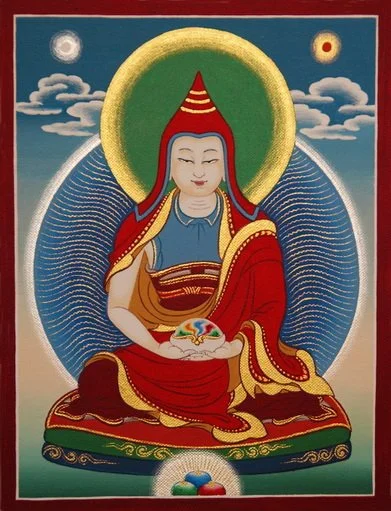
Somewhere in the root tantra of the Seventeen Tantras of the Menngagde — the sGra thal 'gyur, the “Reverberation of Sound," one of the most-cited scriptures in the entire corpus — a short prophetic passage names the teacher who will hold the lineage after Jñānasūtra. It calls him, in Tibetan, phyag rgya rgya chen. Read as ordinary words, this says: “the great seal." Read as the text almost certainly intends it, it is something more playful and more revealing: a phonetic pun. Phyag rgya renders the Sanskrit mudrā; rgya chen renders “vast" or “great." Reversed into Sanskrit word order, the phrase becomes something very close to Vipulamudrā — which, said aloud, sits a hair's breadth from Vimalamitra, the name of the Indian master to whom this entire tantric cycle is traditionally attributed.
Hiding in Plain Sight
Does the The Exposition of the Jewel-Lineage — composed or revealed in India sometime in the 4th or 5th century and commented upon by Asaṅga — deserve to be read as a forgotten foundational text of Secret Mantrayāna and even of the Mahāmudrā and Dzogchen traditions of direct recognition? The honest answer turns out to be more interesting than yes or no. This essay traces its contested dating and authorship, corrects a tempting but anachronistic reading of its language, and follows the documented, unbroken line connecting it to Gampopa, the Third Karmapa, and Longchenpa.
Designation, Appropriation, imputation, Superimposition, Fixation, and intense identification
Buddhist scholastic literature is, among other things, an extraordinarily patient inquiry into a single recurring question: by what process does an unstructured flux of dependently arisen events come to appear as a stable world inhabited by a stable self? No single Sanskrit term answers this question. Instead, the tradition built a graduated vocabulary — a sequence of technical terms, each marking a further degree of solidification, each presupposing the one before it. Six of these terms are especially significant, because between them they trace the entire arc from bare linguistic convention to the felt certainty of a bounded, continuous “I" confronting a world of separate things: prajñapti (conceptual designation), upādāna (appropriation), parikalpita (imputation — the precise Yogācāra answer to a term the tradition itself needed and coined), samāropa (projection or superimposition), grāha (fixation, apprehension, grasping), and abhiniveśa (intense identification, obstinate adherence).
These are not synonyms loosely scattered across the literature. They are technical terms with distinct etymologies, distinct doctrinal histories, and — crucially — distinct functions within the analyses of the two schools most responsible for their systematic use: Madhyamaka, which inherited and radicalised an old Abhidharma nominalism, and Yogācāra, which took the same terrain and re-described it as a causal, phenomenological, and psychological process unfolding within a stream of consciousness. Comparing how each school deploys this vocabulary is not an exercise in doctrinal trivia. It is a way of watching two of the most rigorous philosophical traditions in human history converge, independently, on the same diagnosis: what we call “a self facing a world" is not a fact discovered but a structure built, in stages, moment by moment — and every stage of that construction remains, throughout, nothing other than the very process that built it.
Sixty-Four Arts and Sixty-Four Yoginīs
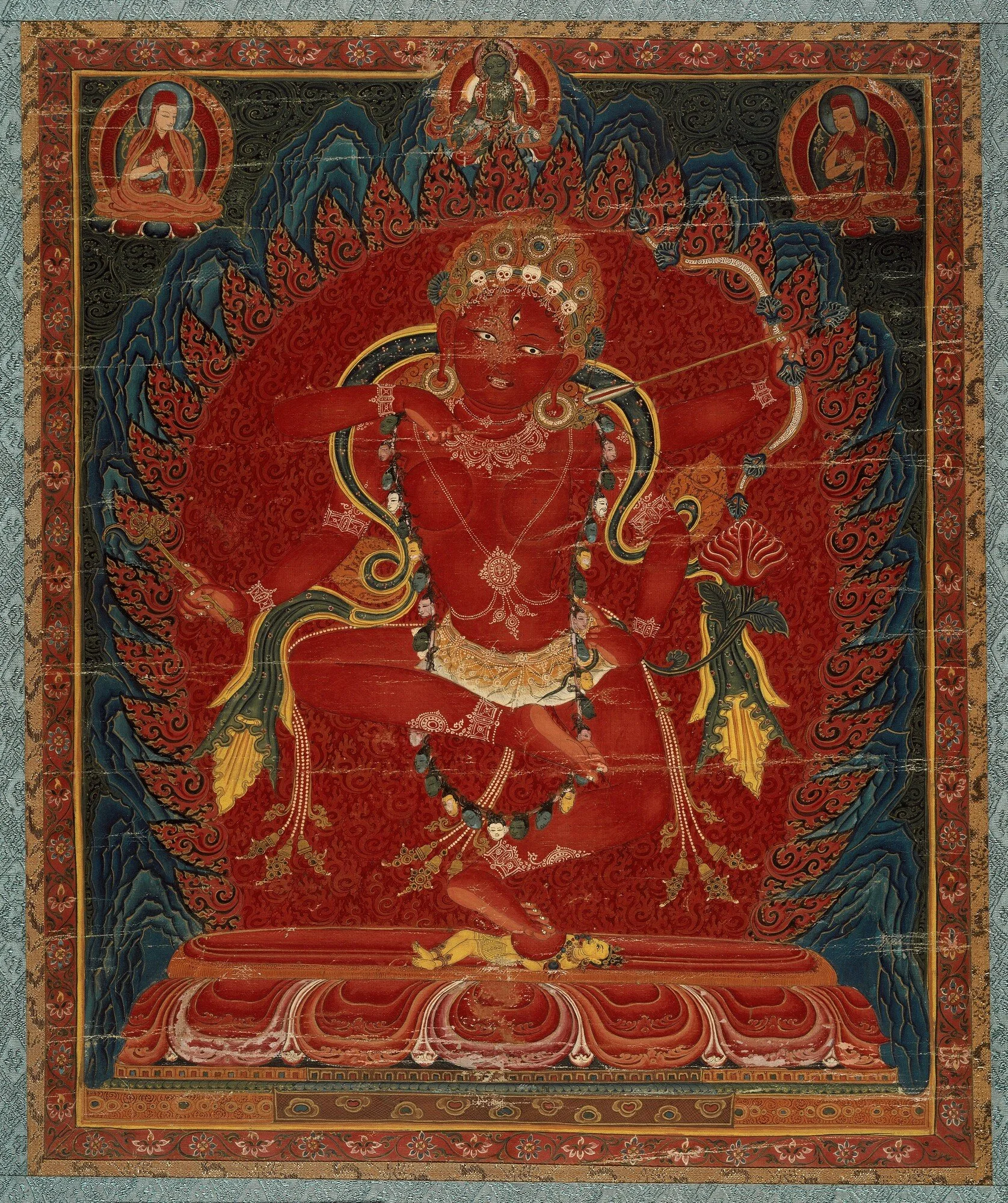
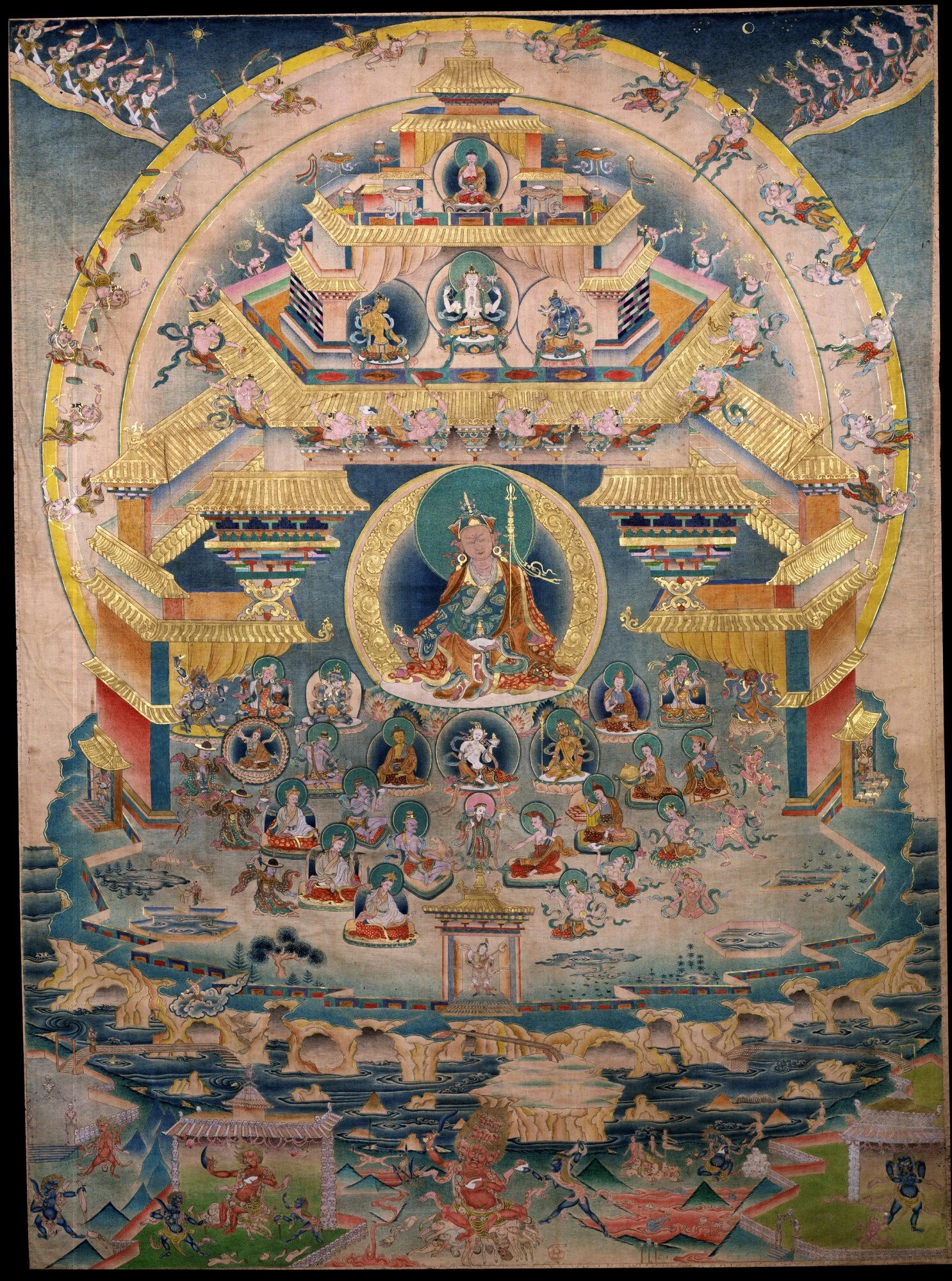
Among the numerical configurations repeatedly encountered in the literature and practice of Secret Mantra, few possess the cultural and symbolic breadth of sixty-four. The number appears in diverse forms across the āgamic and tantric traditions of India and Tibet: in enumerations of kalās, arts, ritual services, yoginīs, powers, channels, deities and sacred functions. In the Indian Śākta milieu, it is famously associated with the sixty-four arts and with the sixty-four yoginīs. In the Secret Mantra traditions of Tibet, the same numerical configuration survives within the mandalic and subtle-body systems of the ḍākinīs, and, significantly, is explicitly invoked in the commentarial tradition of the Yumka Dechen Gyalmo, the Great Bliss Queen.
The Jealous Eye and the King of Tantras
Among the many prohibitions scattered through the literature of Secret Mantra, one verse of the King of Tantras stands out for its specificity and its severity:
tasmād grāhyo 'bhiṣeko na hi bhavati nṛṇāṁ yāvad īrṣyāsti citte
“Therefore, as long as there is jealousy in people’s heart,
they should not receive abhiṣeka, initiation or empowerment."
This is a striking claim. Secret Mantra does not, as a rule, demand moral perfection as a precondition for initiation; if it did, no one could ever receive empowerment, since the entire soteriological logic of Secret Mantra is that ordinary, afflicted beings are transformed by the very practices that initiation opens. And yet here is a single affliction — not anger, not pride, not desire, not the delusion at the root of all three — singled out by name and made, in this verse, into an apparent bar to entry.
This essay asks why. It argues that jealousy (īrṣyā) is not merely one kleśa among others that happens to have been mentioned, but occupies a structurally unique position in relation to the two things abhiṣeka exists to create: the samaya bond between master and disciple, and the samaya bonds that knit disciples together into a single maṇḍala. Where anger, desire, and pride are primarily vertical or self-directed afflictions — disturbances in how one relates to an object, an appetite, or one's own status — jealousy is irreducibly triangular. It cannot exist without a rival, a beloved or coveted good, and a self that measures its worth by comparison. This triangularity is precisely the shape of the maṇḍala's social fabric: guru, disciple, and vajra sibling, gathered around a shared and supposedly undivided source of blessing. Jealousy is therefore not simply bad conduct within the maṇḍala; it is a direct assault on the specific geometry that makes a maṇḍala a maṇḍala at all.
The Sixteenfold Bliss: Joy, Emptiness, and the Lunar Mandala of Secret Mantra
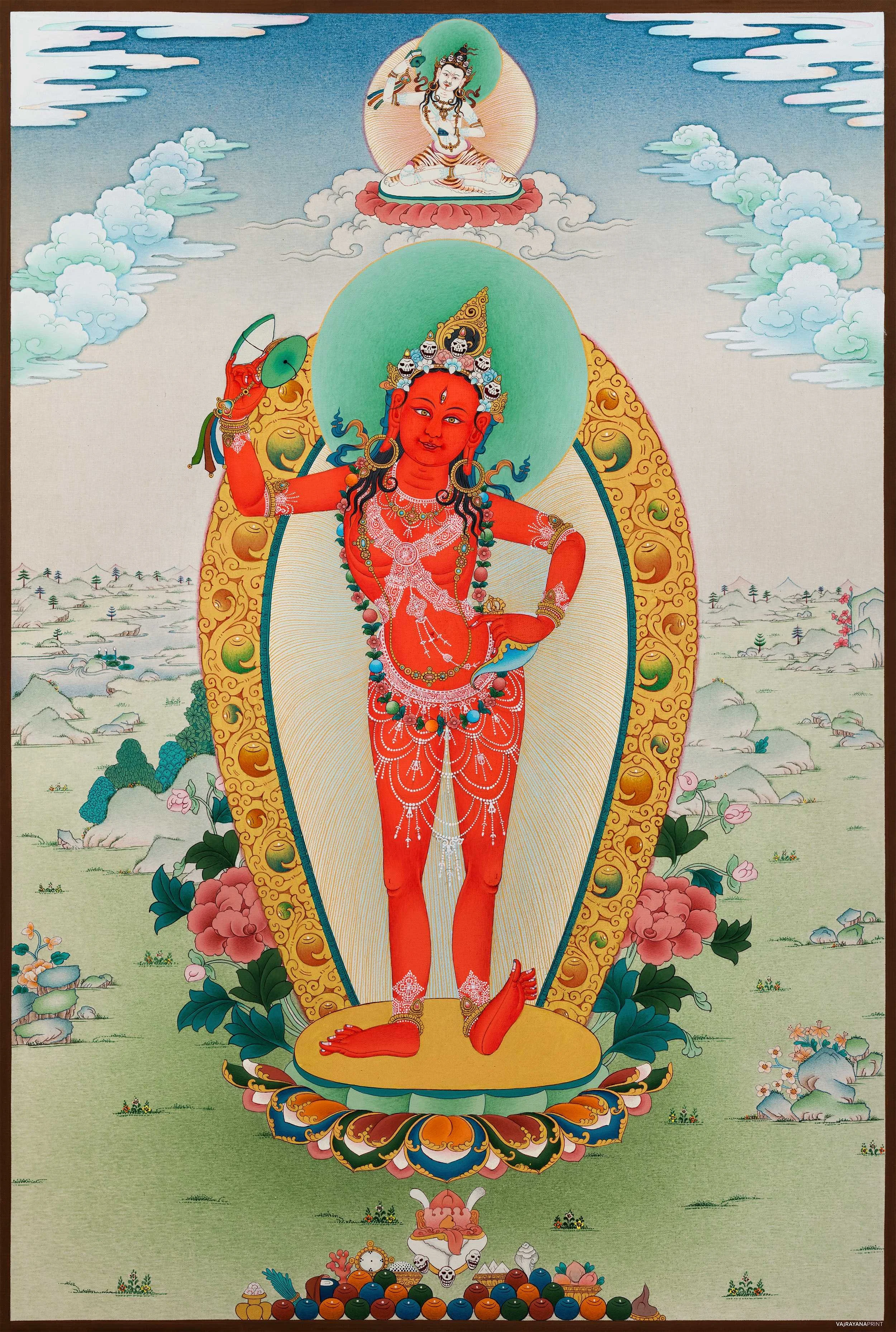
Among the more enigmatic numerical structures of Highest Yoga Tantra are the four joys, their elaboration into sixteen joys, and the corresponding sixteen emptinesses. At first glance these may appear to be merely increasingly elaborate subdivisions of a familiar completion-stage subtle-body physiology. Yet the Secret Mantra literature reveals something much more profound. The four joys are simultaneously physiological, phenomenological, gnoseological, and soteriological: they describe transformations of the subtle body, increasingly refined modes of bliss, the dissolution of conceptuality, and the emergence of nondual awareness. When multiplied through a fourfold structure — variously correlated with body, speech, mind, and wisdom, and with the four great loci of the subtle body — the four become sixteen.
Atīśa’s Lamp for the Path to Enlightenment: Its Influence on Lamrim and Dzogchen Ngöndro
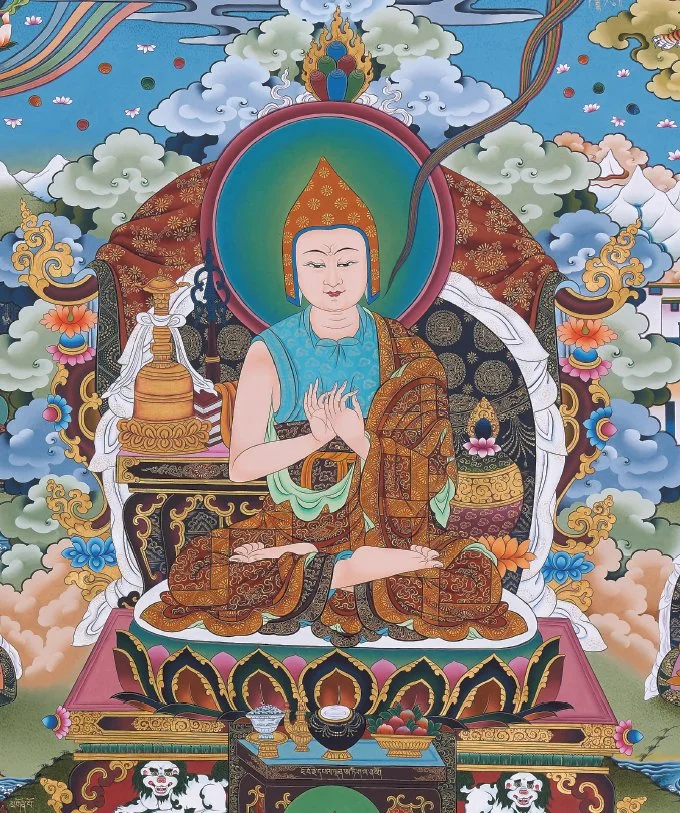
Few texts in the history of Secret Mantra have exercised an influence so disproportionate to their length as Atīśa Dīpaṃkaraśrījñāna’s Bodhipathapradīpa — some sixty-nine verses, composed at Nethang around 1042 CE at the invitation of the West Tibetan monk-king Jangchub Ö (Bodhiprabha). It is tempting, given its brevity, to treat the text as a modest devotional summary, a courtesy extended to a royal patron. Such a reading would badly undersell the work. The Bodhipathapradīpa is better understood as a compressed architectural drawing — a blueprint from which an enormous portion of the subsequent edifice of Secret Mantra practice literature was built, quite often without full acknowledgment of the debt.
Two claims will be developed here. First, that the entire lamrim (lam rim, “stages of the path”) genre, in every school of Secret Mantra, is Atīśa’s direct descendant — while Atīśa himself was working from an already-existing Indian synthesis, most decisively that of Kamalaśīla’s Bhāvanākramas.
Second, and more provocatively, that the sequence of practices constituting the Nyingma Ngöndro (sngon 'gro, “preliminary practices”) — refuge and prostration, bodhicitta generation, purification, maṇḍala offering, and guru yoga, culminating in receiving the empowerments and readiness for the pointing-out instruction — reproduces, with remarkable structural fidelity, the very sequence Atīśa lays out in his short text.
Always weary but never tired
A striking tension runs through the traditions of Mahāyāna and Secret Mantra between two apparently incompatible imperatives. On the one hand, the practitioner is repeatedly instructed to cultivate nirveda: disenchantment, weariness, or exhaustion with saṃsāra. In the contemplative architecture of the Dzogchen Longchen Nyingthig Ngöndro, and particularly in the preliminary contemplations concerning the defects of cyclic existence, this is not incidental psychology but a deliberate destabilisation of the mind's investment in conditioned existence. The practitioner learns, with increasing existential force, that saṃsāra cannot provide the permanence, security, satisfaction, or finality that grasping continually demands.
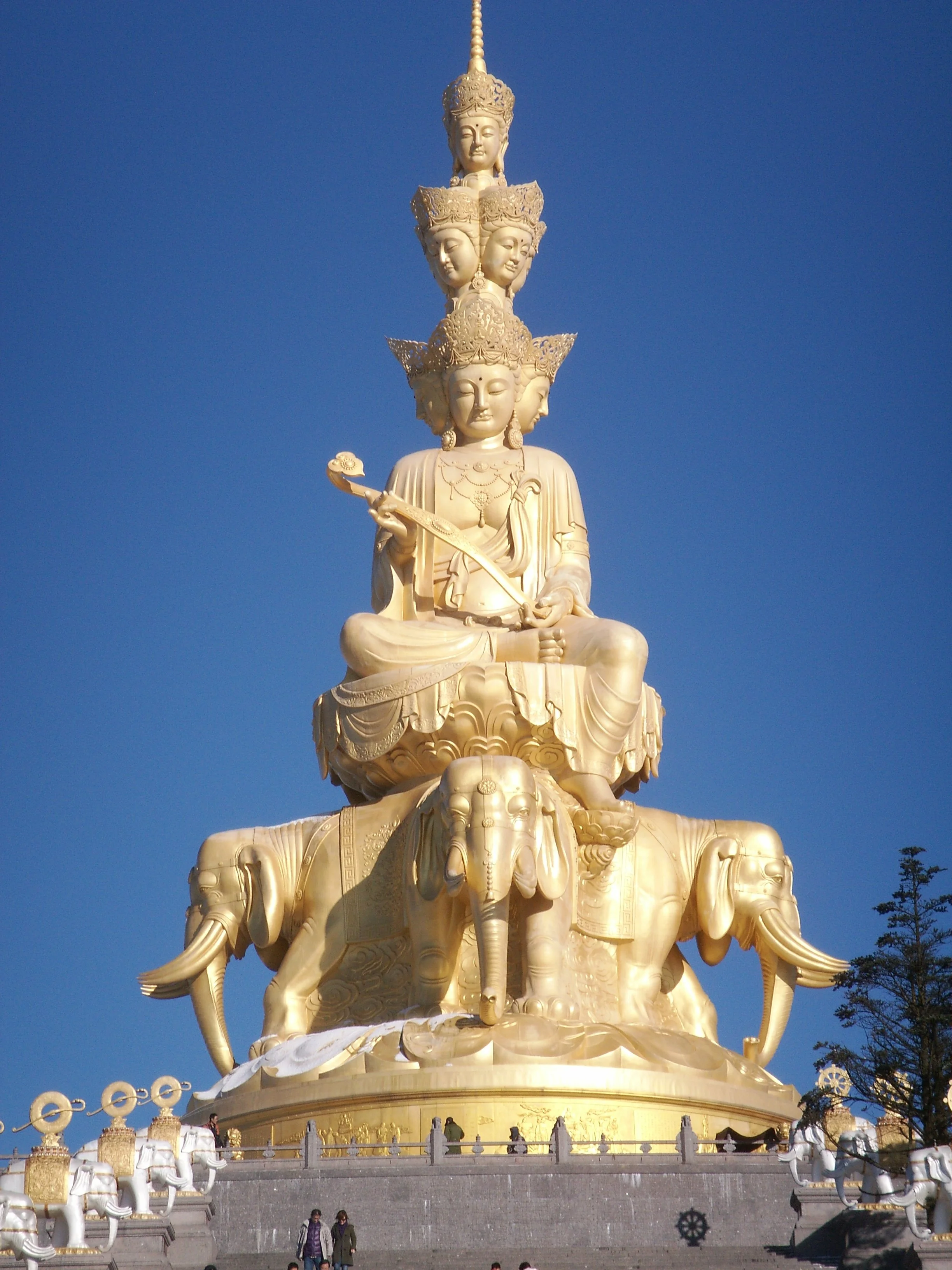
On the other hand, the Bhadracaryāpraṇidhāna, Samantabhadra's “King of Aspiration Prayers,” articulates a radically different temporality: the bodhisattva vows to continue cultivating awakening and benefiting beings and “never becoming tired” across inconceivable aeons. The text's horizon is not merely long-term perseverance but an aspiration that makes ordinary notions of completion almost irrelevant. Its ten great vows culminate in the unceasing responsiveness of the bodhisattva to beings and in the dedication of all virtue toward their awakening.
The apparent paradox may be stated with maximal simplicity:
The practitioner is to become weary of saṃsāra, yet never tired of beings.
This essay argues that this is not an accidental juxtaposition but one of the deepest structural tensions of the bodhisattva path. Disenchantment liberates compassion from its dependence upon saṃsāric satisfaction; compassion prevents renunciation from collapsing into a private project of escape. The result is the peculiar Dzogchen dialectic: to be disenchanted with the world without ever becoming disenchanted with those who inhabit it; to abandon the search for completion in saṃsāra while naturally making oneself indefinitely available to beings within it.
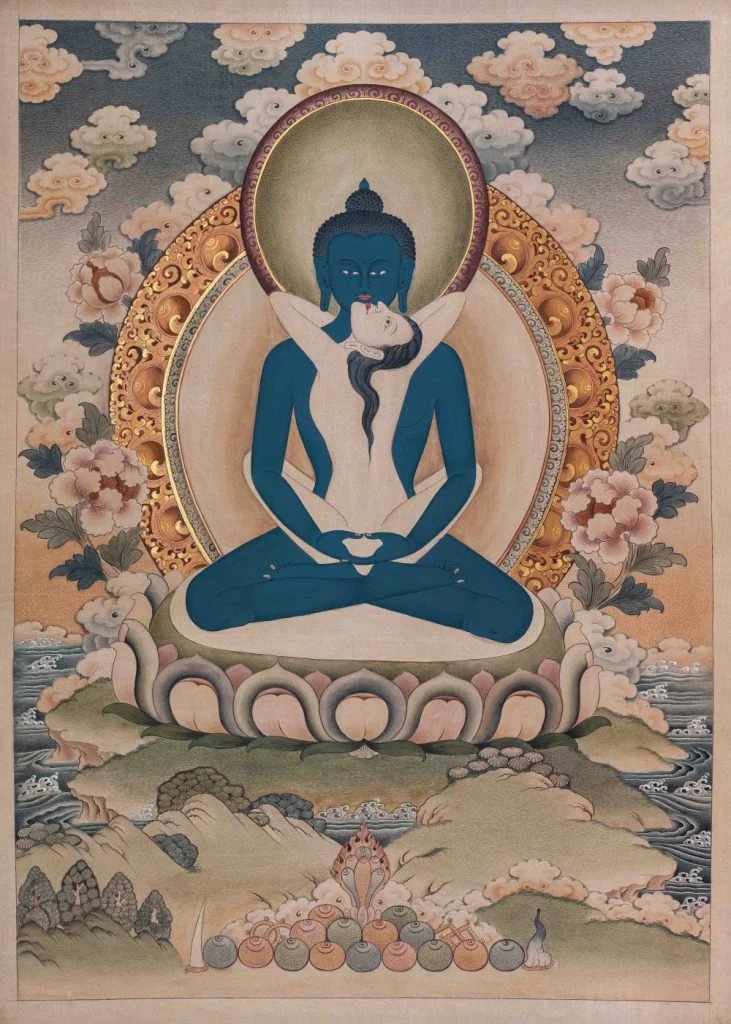
The Two That Is Not Two
There is a remarkable recurrence in the history of Indian and Tibetan thought: realities that appear, at first glance, to be constituted by pairs are repeatedly articulated in ways that deny their ultimate separability.
Emptiness and form
Conventional and ultimate
Method and wisdom
Bliss and emptiness
Primordial purity and spontaneous presence
Awareness and its expressive energy
Puruṣa and Prakṛti
Kṛṣṇa and Rādhā
Śiva and Śakti
Samantabhadra and Samantabhadrī
The vocabulary changes. The philosophical systems differ. Their soteriological projects are not identical. And yet a recognisable formal structure persists:
Two poles are distinguished, but neither pole is ultimately established independently of the other.
The Non-Abandonment of Wandering Beings
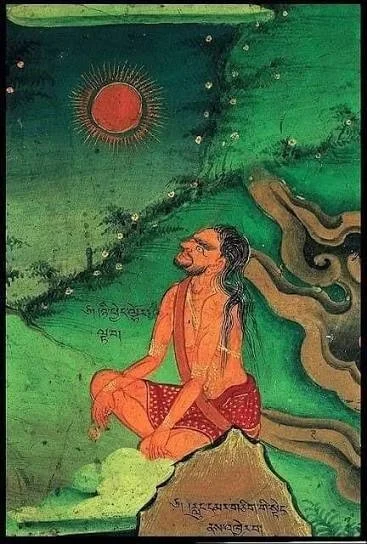
The abandonment of saṃsāra is fulfilled precisely where abandonment ceases to mean rejection. Nothing needs to be abandoned as an object of hatred or flight. What must be abandoned is the grasping that makes abandonment necessary. And when that grasping is exhausted, the beings whom one refused to abandon are no longer obstacles to liberation. They are inseparable from the very field in which liberation is recognised. Indeed, endless beings are realised to have secretly been one’s own teachers: the buddhas themselves.

Suffering, Affirmation, and the Transformation of Experience: From Madhyamaka to Secret Mantra and Dzogchen
Classical Buddhist thought, especially in its renunciatory registers, is structured by a powerful asymmetry. Bondage requires diagnosis; its causes must be uprooted; liberation is articulated primarily as freedom from. The analytic power of this structure is undeniable. Few traditions have examined with such precision the ways consciousness becomes captive to its own appropriations. Yet the hierarchy of values implicit in this orientation remains open to scrutiny. If the forms of life we most cherish—love, creative intensity, devotion, the full sensuous participation in the world—also expose us most radically to loss, does the ideal of invulnerability risk subordinating them? Might certain modes of flourishing be inseparable from vulnerability itself?
Madhyamaka intensifies rather than resolves the problem. Its critique of intrinsic nature dissolves the metaphysical ground that makes grasping appear rational. But emptiness does not dictate a single existential stance toward the open field of appearance. One may release phenomena because they cannot be held. One may also learn to receive them precisely because they cannot be held. The historical unfolding of the Secret Mantrayana and the later formulations of Dzogchen can be read as a sustained transformation of this very possibility. The world need not be refused because it refuses possession. The relinquishment of grasping can become the condition of a more complete and luminous participation in what appears.
The Concept of Nonconceptualisation:
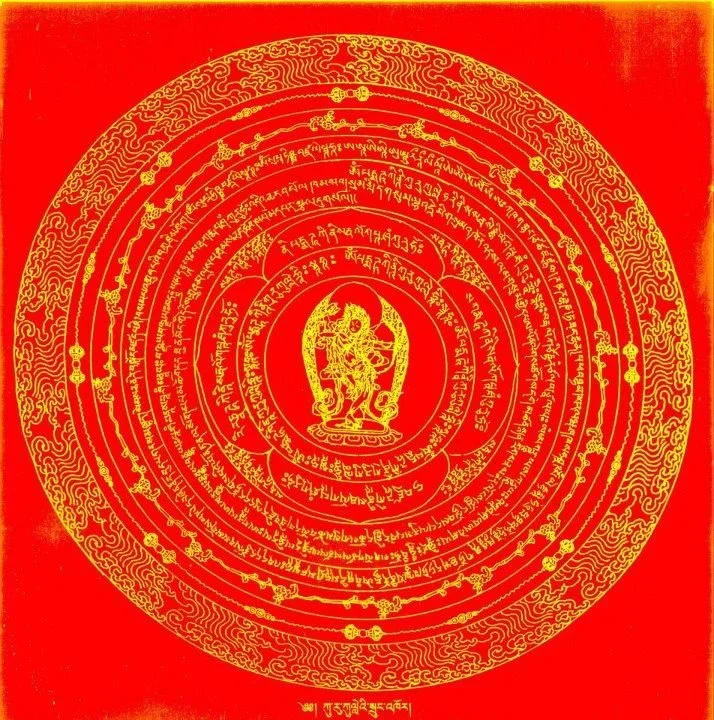
Within the living traditions of Dzogpachenpo, the rhetoric of nonconceptuality (rtog med) is often invoked to highlight the immediacy and uncontrived nature of the Great Perfection. “Nonconceptual realisation,” “beyond conceptual mind,” “resting nonconceptually in the state of rigpa”: Such phrases point toward a directness that many practitioners feel distinguishes Dzogchen from other Buddhist approaches.

The God Who Might Be Wrong About Himself
There is a story, tucked into an early Buddhist text called the Brahmajāla Sutta, about the loneliest being in the universe.
He is the first thing to exist in a newly formed cosmic age. For an unimaginable stretch of time, he is entirely alone. And then — because consciousness abhors solitude — he begins to wish, ardently, for company.
Eventually, other beings appear.
He looks around at them and reaches an obvious conclusion: I was here first. Therefore I made this. I am the Creator.
The other beings, newly arrived and disoriented, look at him — clearly older, clearly more powerful, clearly present before their own existence began — and reach the same conclusion. He must be our maker.
Nobody is lying. Nobody is scheming. A god sincerely believes he is the Absolute, and the beings around him sincerely agree. And according to the sutta, they are all wrong.
Breathing Buddha: Science and Dzogchen on the Interconnectedness of Breath
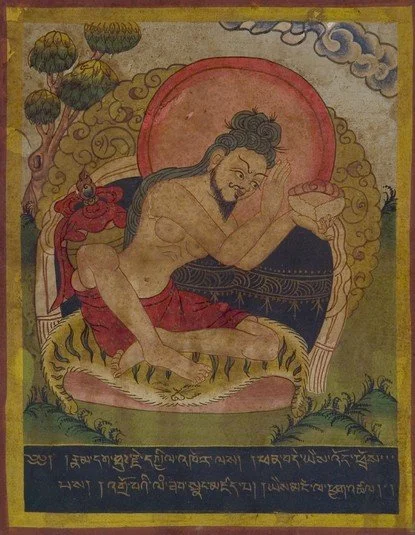
Each breath contains sextillions of oxygen atoms, and over thousands of years, these atoms have been redistributed countless times through respiration, photosynthesis, and chemical cycles. In effect, with every inhalation, we are physically connected to all life that has ever existed, and every exhalation contributes to the ongoing circulation of life itself. each inhalation is a literal communion with every being who ever lived. Science confirms what spiritual teachings have intuited for millennia: we are not separate from the lives and breaths of those who came before us. In Tonglen practice, inhalation is an act of embracing suffering; exhalation is offering relief and compassion. Now consider: with each inhalation, we are literally drawing in the same atoms that once filled Buddha’s lungs. And every exhale returns those atoms, now imbued with our intention, back into the world.
The Two Accumulations: Unifying Awareness and Compassion in Dzogpachenpo
Because awareness is empty, it is free to appear. Because it is luminous, appearance is never inert or dead. Thoughts, emotions, sensations, and perceptions arise as the dynamic energy of awareness itself. They are not intrusions into awareness, nor are they obstacles to it. They are its natural display. This is what is meant by spontaneous presence.
Refuge Without Flight: Āśraya, Skyabs su ’Chi, and Resting in the Groundless Ground
āśraya is not a place one enters. It is that without which entering itself would be unintelligible. It is not a shelter constructed against threat, but the very condition by which anything stands, appears, or is sustained at all.
When one says āśraye, therefore, one is not grammatically saying “I flee.” One is saying something closer to “I take my stand,” “I repose,” “I rely,” “I rest upon.”
Sahaja, Mahāmudrā, and the Great Perfection
Dzogchen is neither reducible to Sahajayāna nor separable from it. Mahāmudrā is neither a duplicate nor a simple intermediary. All three arise from a shared contemplative insight, yet each becomes articulated through a distinct doctrinal body, linguistic register, and pedagogical architecture, shaped by historical circumstance, soteriological intent and revelatory impetus.
Garbha (Nyingpo): Embryo, Womb, and the Precious Secret Space
The threefold meaning of garbha as embryo, womb, and precious concealed space does not describe three different things. It articulates three inseparable dimensions of a single reality.
As embryo, garbha speaks to the lived unfolding of recognition, to the way confidence and continuity mature over time without implying any lack in the base. As womb, it reveals the all-encompassing expanse in which all phenomena arise, dissolving the boundary between samsara and nirvana. As precious heart, it emphasises subtlety, intimacy, and the need for careful, experiential safeguarding.
Su-kha, Duḥ-kha, and the Space of Being
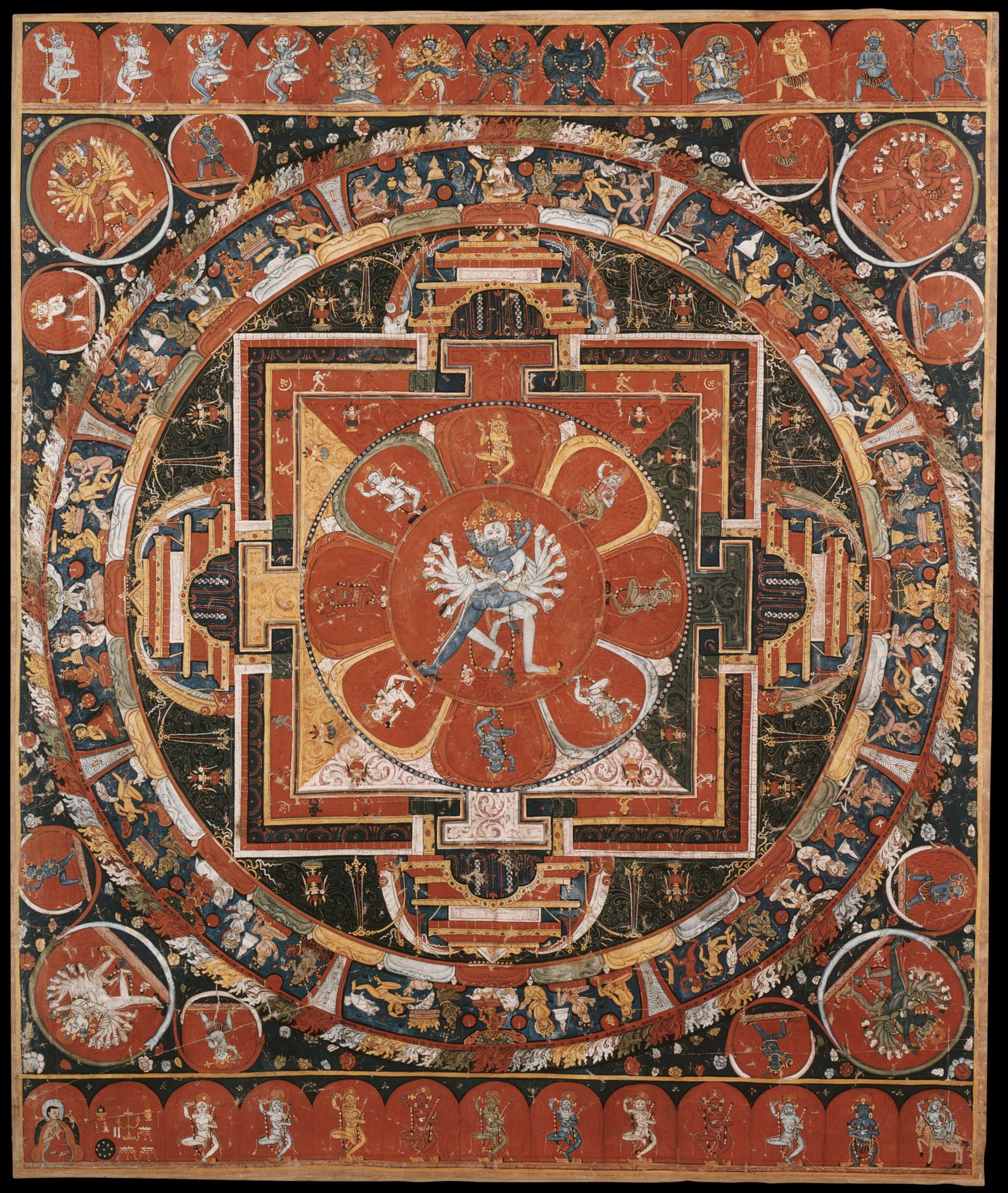
The earliest experience of sukha/duḥkha was not psychological: it was ecological. The world either opened or closed; life either flowed or was constrained. The metaphor was not metaphorical. It was environmental fact: good space (su-kha) versus bad space (duḥ-kha).
To this day, traces of that archaic spatial worldview survive in how the mind interprets ease and struggle. When obstacles recede, when the environment feels navigable, the body relaxes into sukha. When conditions tighten, the felt-sense contracts into duḥkha.
This is remarkably close to Dzogchen:
Rigpa = unobstructed openness, the view as vast as the sky
Avidyā = constriction, tightening, narrowing of the view.
Zangthal: The Meaning of Transparent Immediacy as Unimpeded Openness
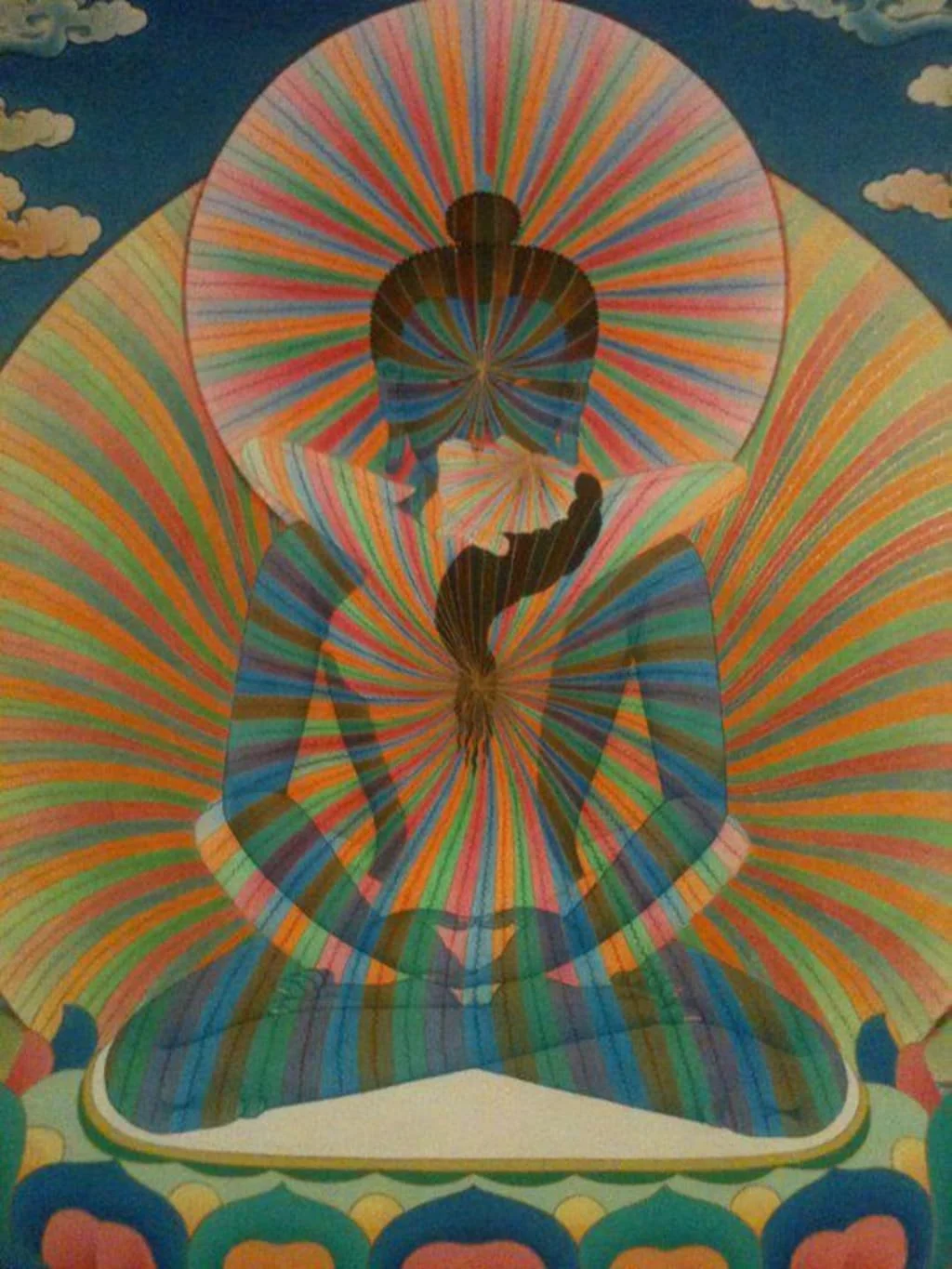
zang carries meanings that include pure, clean, open, free from stain, and devoid of solid obstruction.
thal conveys the sense of completely penetrating, utterly exhausted of limit, to the end, through and through, or fully extended.
When combined, the term evokes something like “utterly open”, “completely unimpeded”, or “transparently penetrated to the depths”. What is important to recognise here is that the term does not simply denote clarity as a superficial brightness or a sensory vividness. It signifies openness to the point of limitlessness.