

Wisdom Library
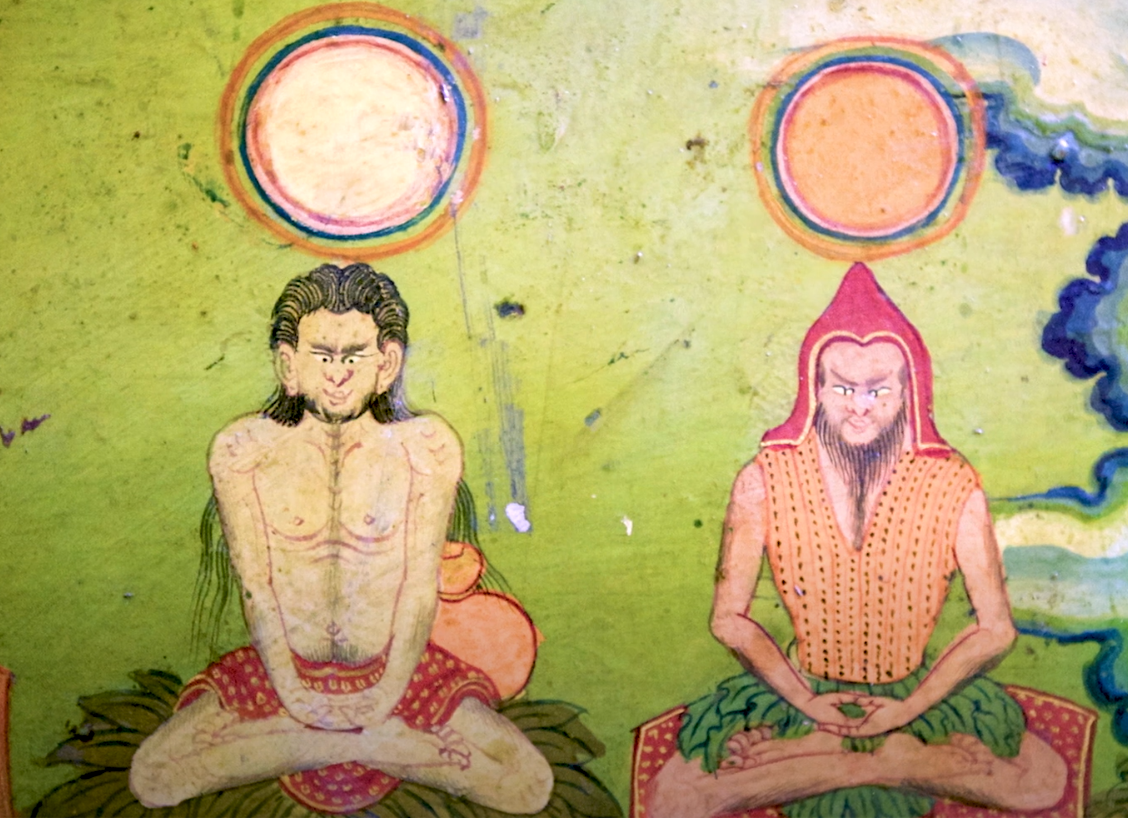
Bliss, Clarity, and Non-Conceptuality in Longchenpa’s Hermeneutics: The Three Nyams
The three classical nyams of bliss, clarity, and non-conceptuality are neither simple psychological states nor subtle meditative absorptions. They represent patterned outcomes of rlung dynamics when the karmically-conditioned configuration of the winds temporarily relaxes. Their appearance is a sign that the practitioner’s system has entered a distinct form of resonance with the view, but this resonance is unstable. The nyams, by their very nature, cannot remain. For seasoned practitioners, the question is not how to evoke or measure these states, but how to situate them within a non-dual epistemology capable of distinguishing between conditioned luminosity and unconditioned presence.

The Twenty-One Semdzins of the Dzogchen Tradition
Although often categorised as preliminaries for trekchö, the twenty-one semdzins serve multiple pedagogical functions. They are appropriate for novices, since they generate immediate experiences of clarity. Yet they are equally relevant for advanced practitioners, who use them to re-stabilise recognition when subtle obscurations arise.
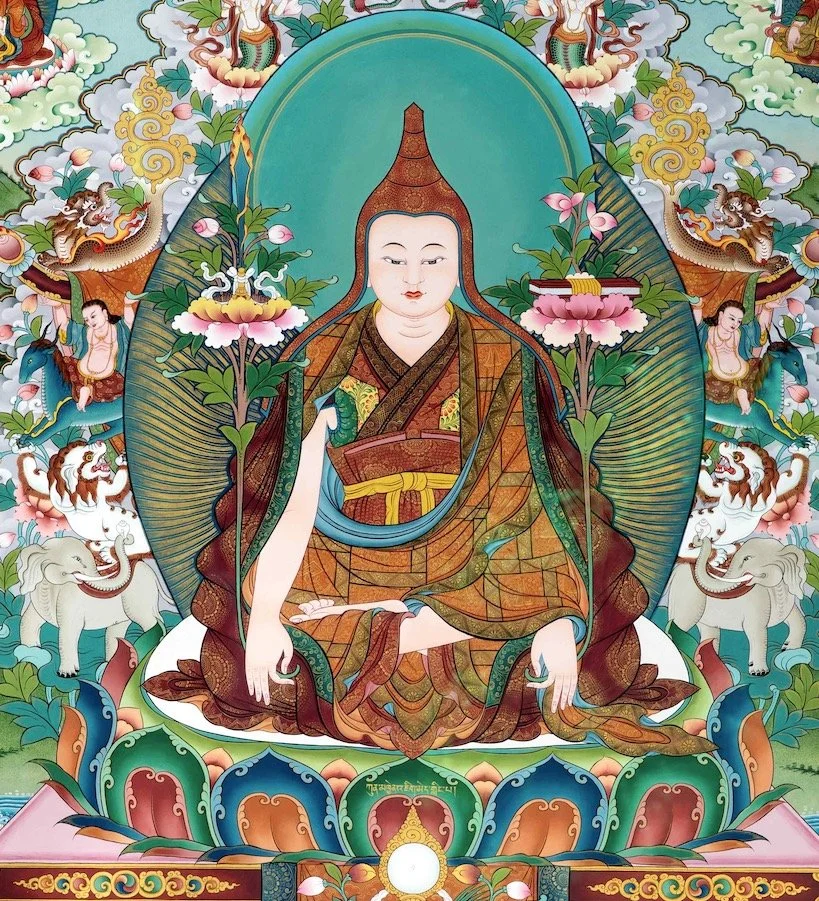
The Single Taste of Essence, Nature, and Dynamic Energy
The teachings of the Great Perfection reveal reality as the sole thiglé in which all appearances, all knowing, and all energies are inseparably present in a single taste of primordial purity and spontaneous presence. Although this wholeness is beyond conceptual limits, Dzogchen masters have provided complementary triads to guide practitioners toward recognition.
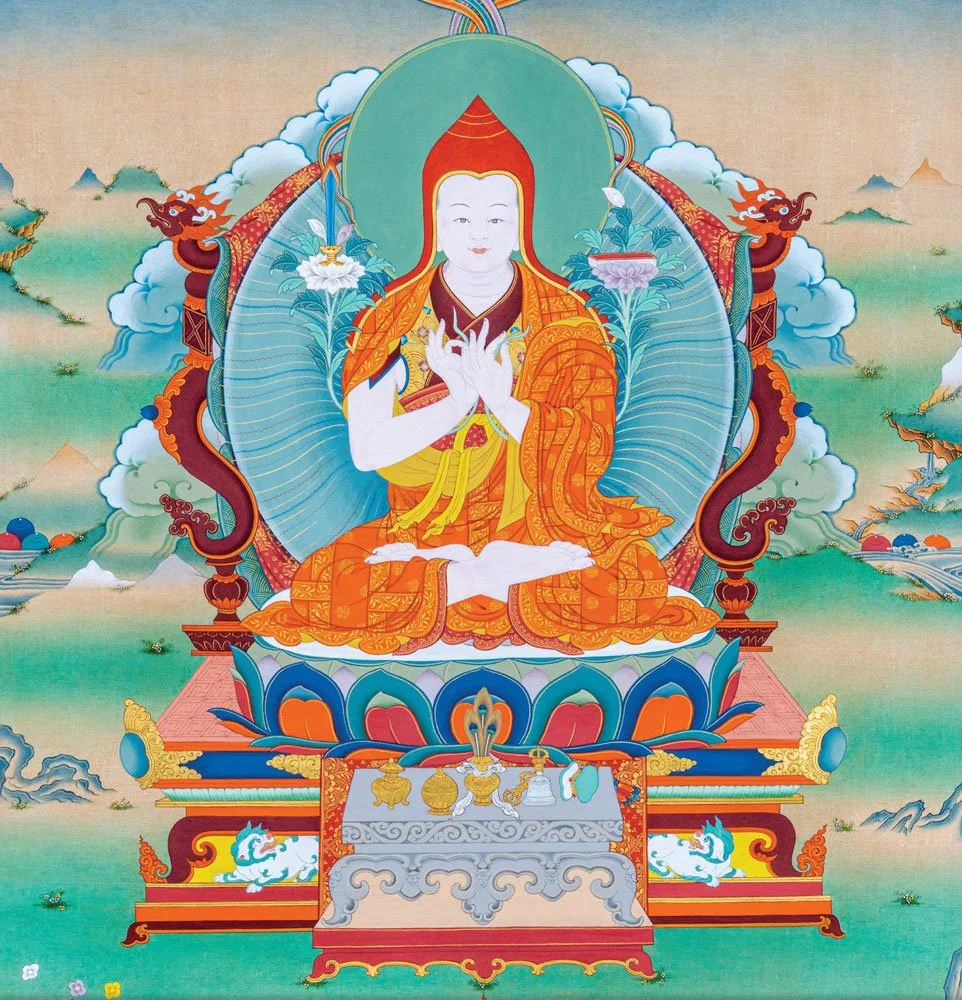
When the Base is not Grasped, It is Seen to be Groundlessness
The most beautiful and liberating insight of Dzogchen is not that the ground is “nonconceptual,” but that:
liberation is immediate,
awareness is innately free,
nothing needs to be added or removed,
saṁsāra and nirvāṇa are not two,
and the ground is not an object.
Mipam summarises:
“When the ground is not grasped,
it is seen to be groundlessness.
This is the ground of Dzogchen.”
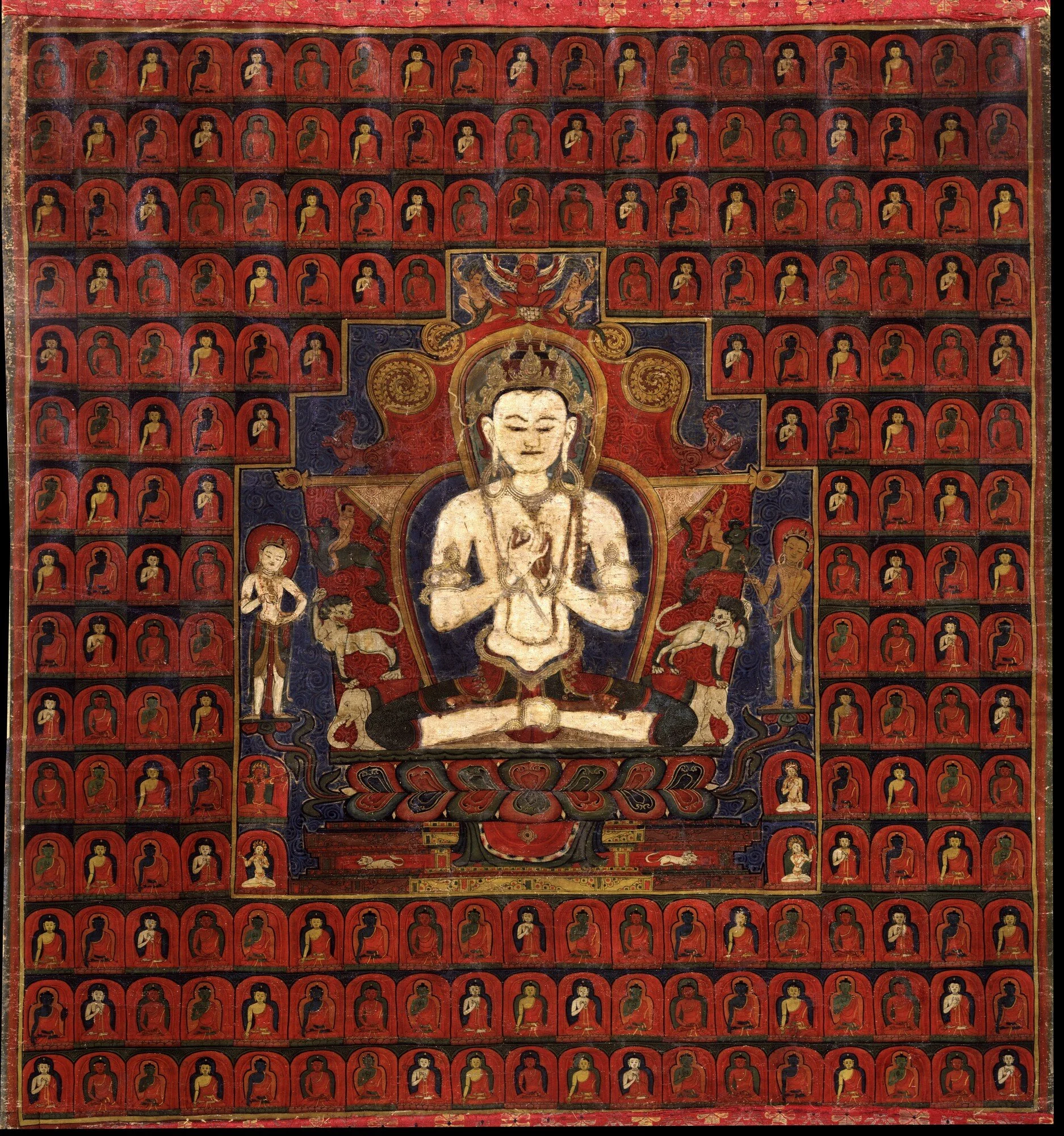
Clarifying the All-Ground (Kunzhi) and the Base (Gzhi)
For Dzogchen practitioners, especially those who are serious about cultivating the view (lta ba), understanding these distinctions is more than a matter of intellectual curiosity: Clarifying the difference between kunzhi and gzhi helps prevent the reification of a ground, the subtle clinging to an absolute foundation. It is also a way to appreciate the astonishing precision of the Dzogchen teachings.
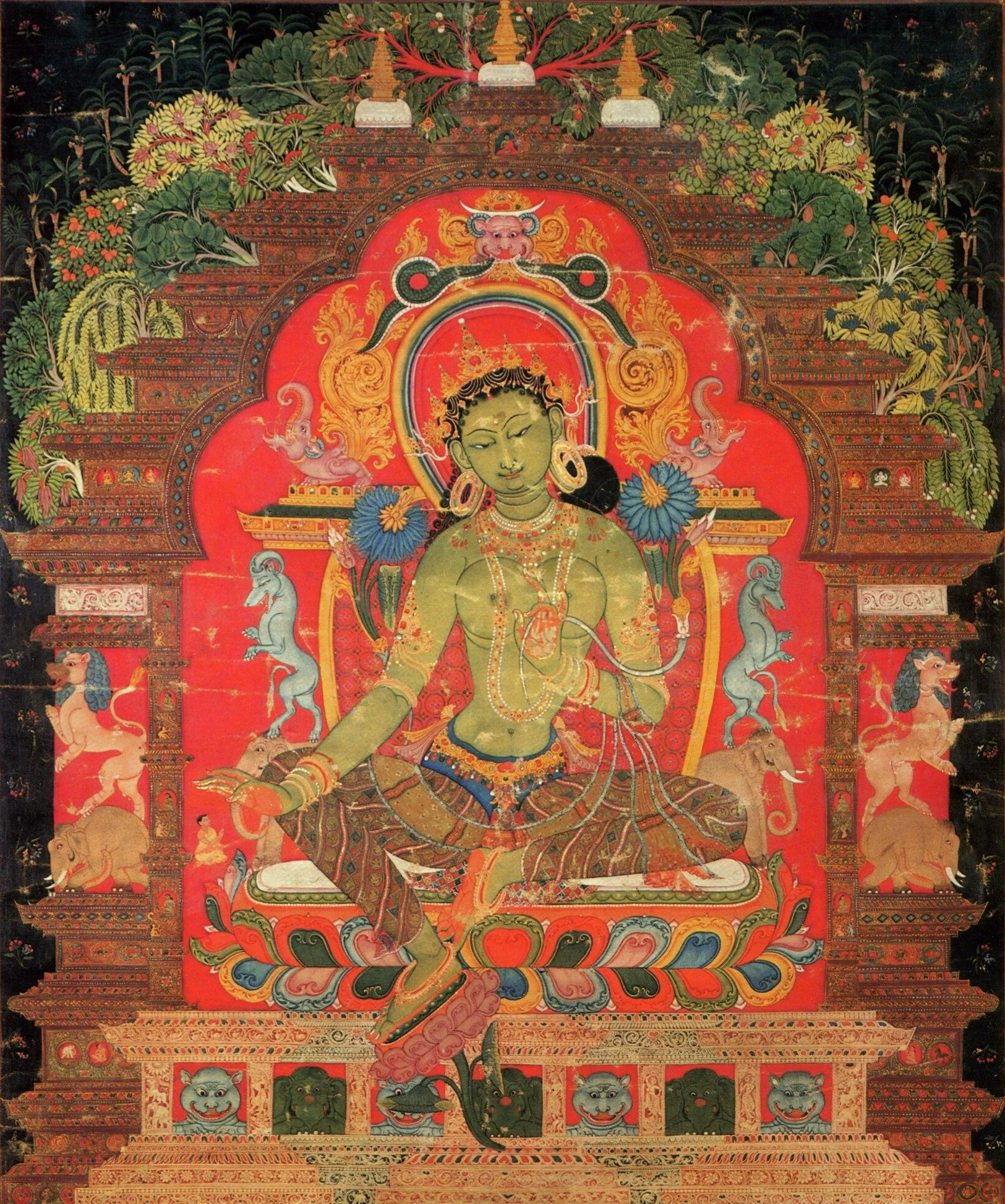
The Twenty-One Tārās of Jigme Lingpa and the Twenty-One Tārās of Atīśa: A Dzogchen-Oriented Comparison
For practitioners on the Dzogchen path, the decision to use the Atīśa system or the Jigme Lingpa–Longchen Nyingthik cycle depends on purpose and timing.
The Atīśa system offers clarity, structure, and accessibility, making it ideal for communal rites, devotional strengthening, and practical ritual needs.
The Jigme Lingpa tradition offers greater contemplative depth, integrating subtle-body yogas with the luminous immediacy of rigpa.
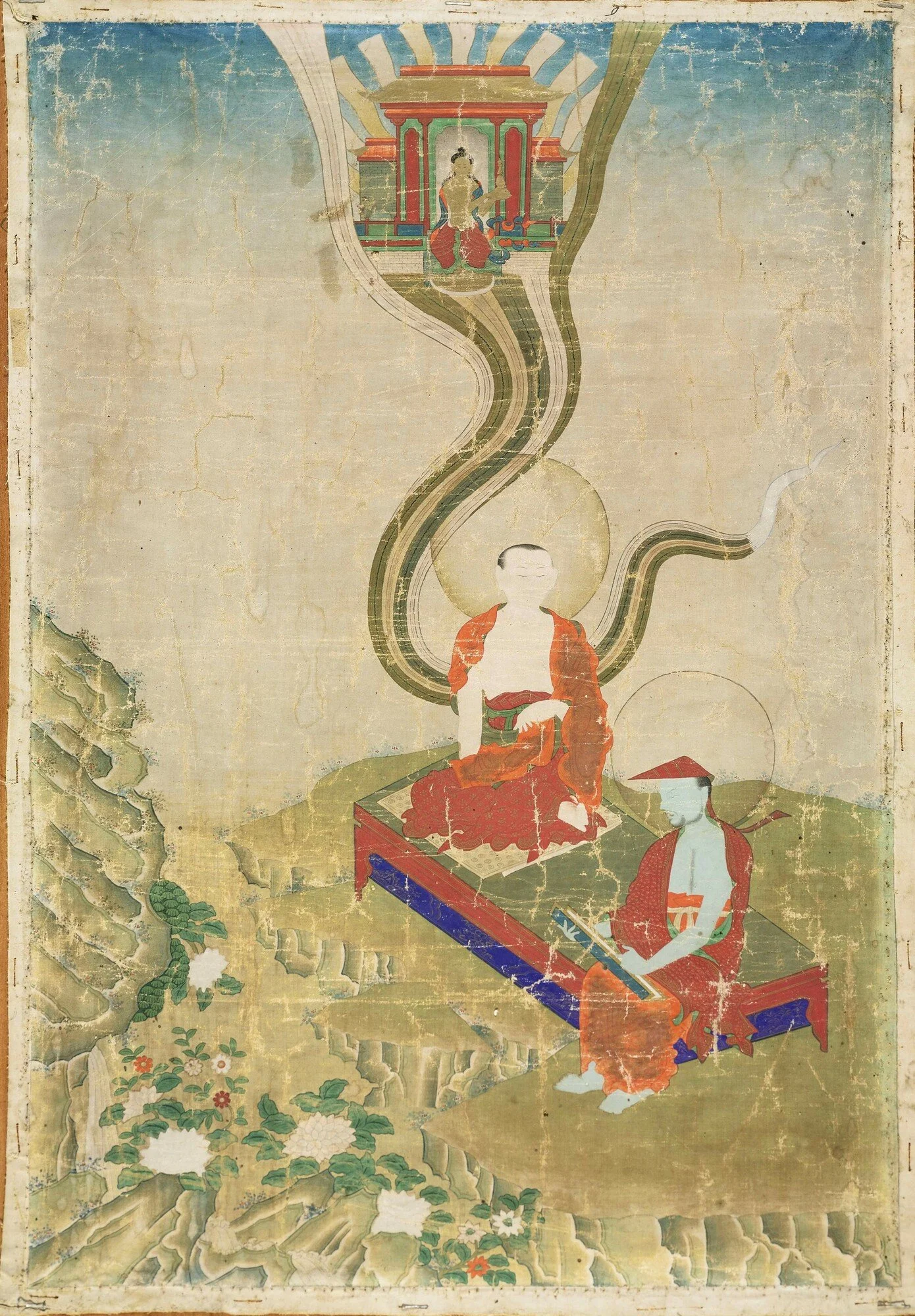
Dzogchen and the “Three Natures”: An Inquiry into the Yogācāra Connections of the Great Perfection
Both Dzogchen and Yogācāra speak, in different languages, about a dimension of experience that is already complete, unmanufactured, and inherently free.
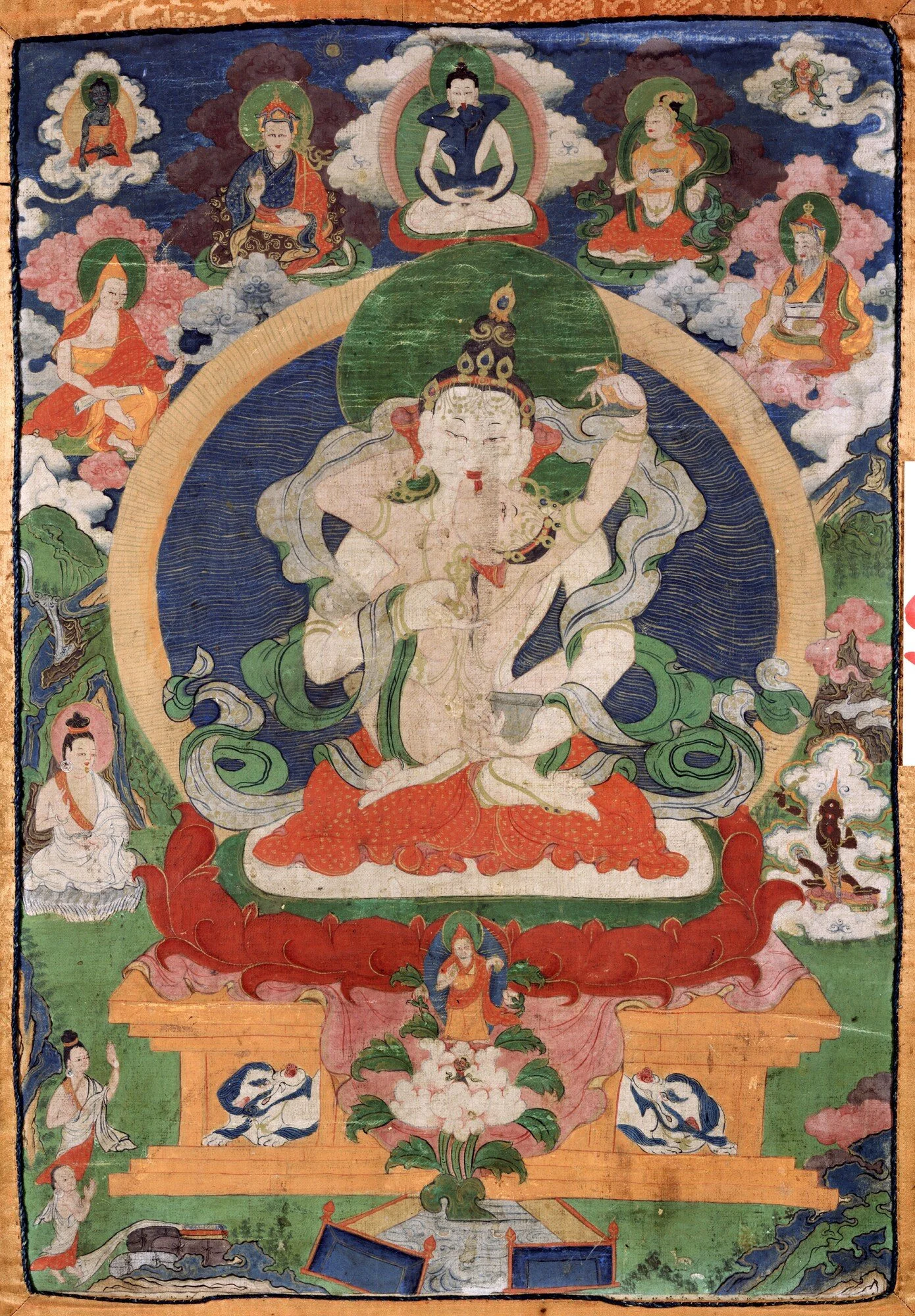
The Value of Ngöndro in Dzogchen
For centuries, masters of the Great Perfection have debated whether ngöndro — the “foundational practices” of refuge through prostrations, bodhicitta, Vajrasattva purification, maṇḍala offering and guru yoga — is required for entry into Atiyoga.
The issue is not merely academic. It touches the core question of spiritual maturity, readiness, and the delicate relationship between direct introduction and the actual capacity to sustain the experience of rigpa.
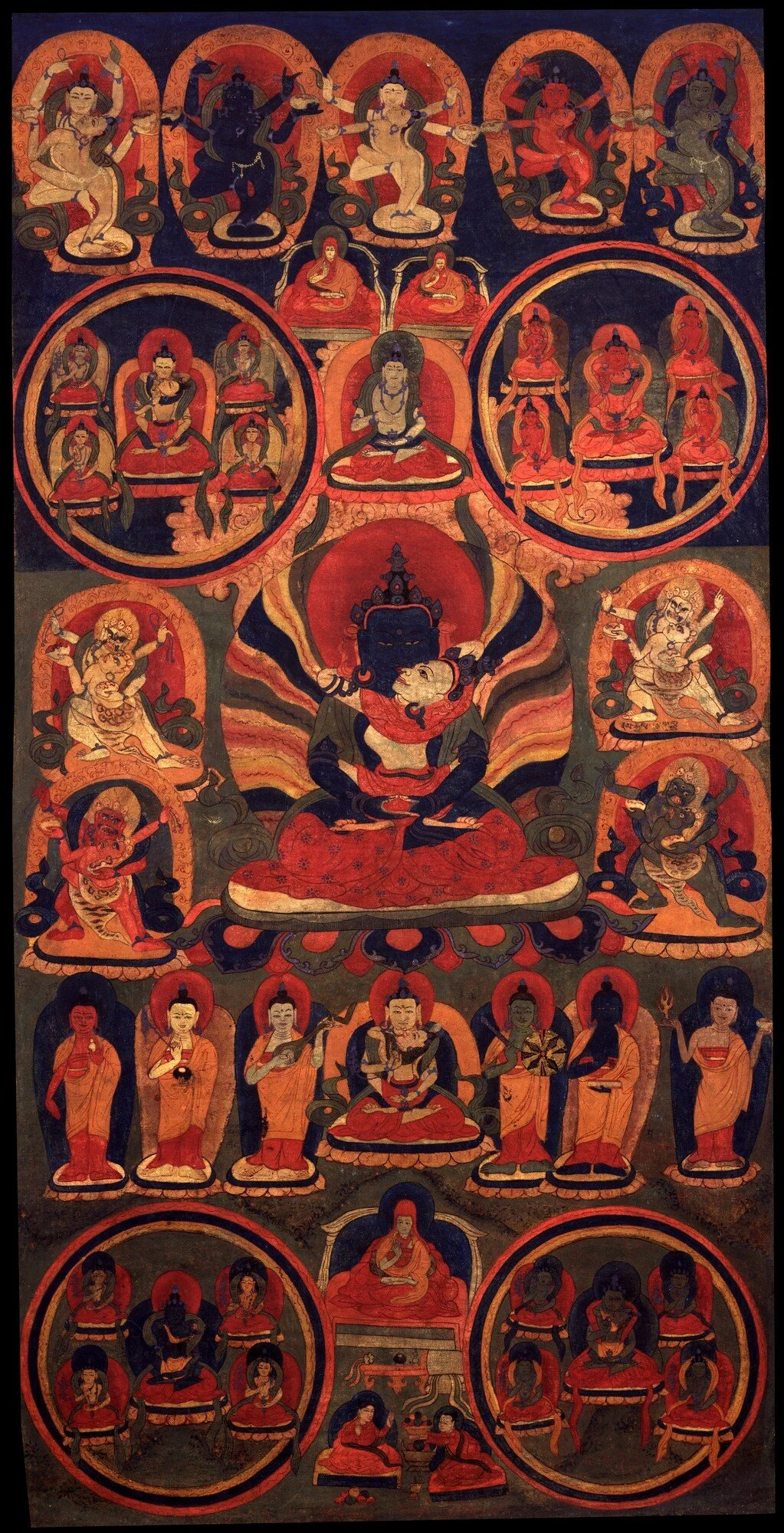
The “Magical Net” in Dzogchen
In Mahāyoga, the “Magical Net” (sgyu ’phrul dru ba) denotes a structured maṇḍala of deities, energies, and symbols designed to embody enlightened qualities and guide the practitioner through ritual transformation.
In Dzogchen, the term shifts to describe the self-arising, luminous display of the Ground itself: appearances unfolding spontaneously, inseparable from the awareness that perceives them, beyond structured form or deity arrangement.

Thoughts on Dependent Origination
The early Buddhist concern is not to describe the interdependence of mountains, rivers, organisms, and societies, but to identify the internal dynamics that bind sentient beings to the cycle of birth and death.

Mipam’s Vision of the Basis
Mipam describes the relationship between emptiness (stong pa nyid), luminosity (’od gsal), and awareness (rig pa) through the metaphor of mutual illumination. This teaching is both philosophically rich and experientially essential for Dzogchen practitioners. Rather than treating these three as separate elements that must be woven together through intellectual reasoning, Mipam presents them as three inseparable aspects of the single primordial nature of mind.

Candrakīrti on “own-being” or inherent essence
What truly “belongs” (ātmīya) to something is that which is unproduced, non-artificial (akṛtrima).